

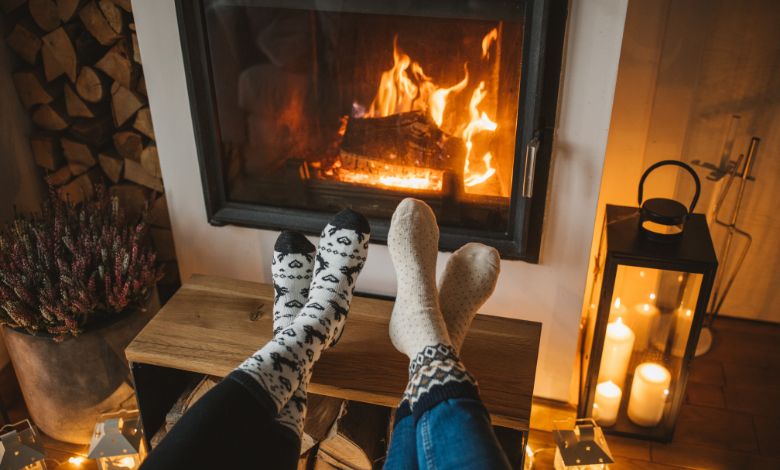
As the weather turns cooler in the UK and Ireland, the comforting glow of a gas fire can create a welcoming atmosphere in any living space. Gas fireplaces are popular for their convenience, efficiency, and the classic warmth they bring to a home. But how safe are gas fireplaces, really? This comprehensive guide looks at the safety of gas fireplaces, the potential risks, and the best practices to ensure your family and property remain secure all year round.
How Do Gas Fireplaces Work?
Gas fireplaces burn natural gas or LPG (liquefied petroleum gas) to generate heat and flame, typically behind glass panels. Most modern units feature a sealed combustion system, meaning all intake air and exhaust gases are managed through a direct vent to the outdoors. Ignition is usually electronic or via a pilot light, making operation simple and immediate compared to traditional wood-burning fireplaces.
Are Gas Fireplaces Safe?
Generally, traditional gas stoves are considered safe for residential use when installed correctly and maintained regularly. In fact, they eliminate many of the hazards associated with wood-burning fireplaces, such as flying sparks, creosote build-up, and the need for open flames. However, like any fuel-burning appliance, gas fireplaces do carry certain risks, which can be minimised with proper awareness and care.
Main Safety Risks Associated with Gas Fireplaces
- Carbon Monoxide (CO) Poisoning: Incomplete combustion or faulty venting can result in carbon monoxide, a colourless, odourless gas, leaking into your home. CO is extremely dangerous and can be fatal in high concentrations.
- Gas Leaks: Damaged pipes, valves, or poor installations may lead to gas escaping inside the home, which is both toxic and highly flammable.
- Burns and Hot Surfaces: The glass front and metal components of a gas fireplace can become extremely hot during operation and remain so for some time after being switched off, posing a burn hazard, especially to children and pets.
- Ventilation Issues: Blocked or damaged vents can prevent exhaust gases from leaving the property, increasing the risk of CO exposure.
- Improper Installation: Incorrect installation can lead to a range of safety issues, including ventilation failures and an increased risk of fire.
Top Gas Fireplace Safety Tips
- Professional Installation: Always have your gas fireplace installed by a Gas Safe registered engineer. Incorrect installation is the leading cause of gas fireplace incidents.
- Annual Servicing: Arrange for a qualified professional to service your fireplace annually. Regular servicing checks for leaks, ventilation issues, and ensures efficient operation.
- Install Carbon Monoxide Alarms: Fit a certified carbon monoxide alarm in the same room as your gas fireplace. Test the alarm regularly and replace batteries as needed.
- Ensure Adequate Ventilation: Never block air vents or flues. Make sure the room is well ventilated and that all exhaust systems are clear and functioning properly.
- Watch for Warning Signs: Be alert for signs of malfunction such as yellow or flickering flames, soot build-up, condensation on windows, or a persistent smell of gas. If you notice any of these, turn off the fireplace and contact a professional immediately.
- Protect from Burns: Use a safety screen or guard to keep children and pets away from hot surfaces. Warn family members about the risks of touching the glass or metal when the fireplace is in use or shortly after.
- Turn Off When Unattended: Never leave the gas fireplace running when you leave the house or go to bed.
- Keep Flammable Materials Away: Do not place furniture, curtains, paper, or other flammable items near the fireplace.
Frequently Asked Questions
- Can gas fireplaces explode?
- While extremely rare, gas explosions can occur in the event of a significant leak and ignition. Regular inspection and immediate attention to any gas smell are key to prevention.
- Is it safe to leave a gas fireplace on overnight?
- It is not recommended to leave a gas fireplace on overnight or when you are not present. This increases risk of accidental fire, CO poisoning, and overheating.
- Do gas fireplaces need ventilation?
- Yes, all gas fireplaces require proper ventilation, even “vent-free” models. Always follow manufacturer guidelines and building regulations.
- What should I do if I smell gas?
- Turn off the fireplace and gas supply at the source, open windows and doors, and leave the premises. Call the National Gas Emergency Service (0800 111 999 in the UK) immediately from outside the property.
Gas Fireplace Safety and Children
Children are particularly vulnerable to the risks posed by hot surfaces and open flames. Always use safety screens and educate children about the dangers of the fireplace. Consider installing a childproof safety gate in rooms where the fireplace is in use.
Maintenance Checklist for Homeowners
- Check the pilot light or ignition system regularly.
- Inspect the glass front for cracks or clouding.
- Test carbon monoxide alarms monthly.
- Remove dust and debris from vents and airways.
- Book annual professional servicing.
Conclusion
Gas fireplaces, when installed and maintained properly, offer a safe and efficient way to heat your home. Taking appropriate safety precautions, being alert to warning signs, and arranging regular inspections are essential to minimising risks. By following the guidance in this complete safety guide, you can enjoy the warmth and comfort of your gas fireplace with confidence, knowing you are safeguarding your household.
