

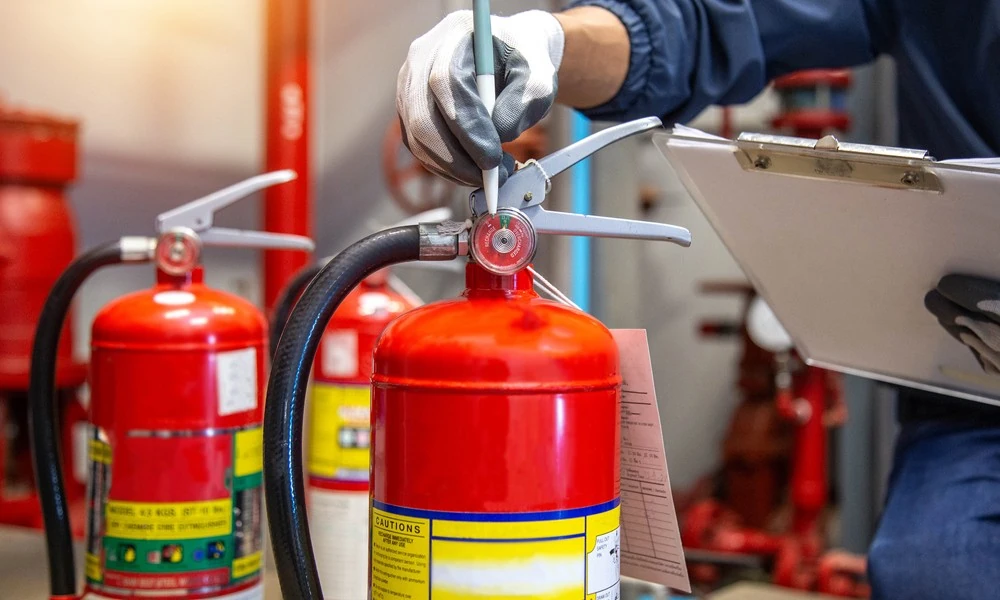
One Piece of a Larger System
Fire watch should never be treated as an isolated procedure that only comes into play during an emergency. It works best when it is built into a facility’s broader fire safety plan from the start, alongside risk assessments, equipment maintenance schedules, evacuation procedures, and staff training. When fire watch is planned for in advance rather than improvised after the fact, a facility is able to respond far more smoothly when an impairment actually occurs.
Integrating proactive monitoring with professional oversight ensures that temporary system gaps do not compromise overall facility safety. Establishing clear protocols beforehand allows facilities to seamlessly deploy trained professionals-such as The Fast Fire Watch Company -to maintain constant vigilance, conduct detailed patrols, and ensure full compliance with municipal codes while permanent fire protection systems are serviced or upgraded. This structured integration bridges the gap between everyday operations and emergency preparedness, minimizing disruption while maintaining uncompromised protection.
A comprehensive safety plan spells out roles and responsibilities clearly, so that everyone, from frontline employees to senior management, understands exactly what is expected of them if a fire protection system needs to go offline.
Connecting Fire Watch to Everyday Operations
Hot work operations are a good example of where this integration matters most. Since a meaningful share of industrial fires trace back to cutting and welding activity, often triggered by stray sparks, a safety plan should explicitly link every hot work permit to a corresponding fire watch plan. Management is responsible for establishing designated hot-work areas, ensuring teams understand the relevant risks, and confirming that a permit authorizing individual is in place before work begins.
The same logic applies to planned maintenance on sprinkler or alarm systems. Rather than treating maintenance and fire watch as separate concerns handled by different people, a comprehensive plan treats them as two parts of the same process, scheduled and staffed together.
Reviewing and Updating the Plan Regularly
A safety plan that was accurate last year is not guaranteed to be accurate today. Facilities change layout, add new equipment, and shift how spaces are used, all of which can affect where hazards exist and how a fire watch should be structured. Periodic review of the entire plan, not just the fire watch component, keeps it aligned with current conditions rather than outdated assumptions.
Involving fire watch personnel, maintenance staff, and management together in these reviews also helps surface practical gaps that might not be obvious from a policy document alone, strengthening the plan with real-world experience.
Training as the Common Thread
Every element of a comprehensive safety plan ultimately depends on people knowing what to do, and fire watch is no exception. Staff who understand why a watch is being conducted, not just that one is happening, tend to take the surrounding precautions, such as avoiding open flames or maintaining clear pathways, far more seriously. Regular training sessions that walk through real scenarios help turn fire watch from an abstract policy into a practice that employees genuinely understand and support.
Final Thoughts
Fire watch delivers the most value when it is woven into a facility’s overall approach to safety rather than treated as a standalone reaction to an emergency. By connecting it to hot work permits, maintenance schedules, and regular plan reviews, organisations create a safety framework that responds consistently and effectively no matter when or why a fire protection system goes offline.
