

A property manager calls a contractor after a storm and asks for the lot to be plowed. The crew shows up, clears the snow, and leaves. Three days later the same lot is a sheet of ice, because nobody mentioned that plowing and de-icing solve two completely different problems.
That mismatch happens more often than it should. Properties booking anchorage alaska snow removal work sometimes assume one service covers everything winter throws at a site, when in practice each service is built for a specific job.
Why One Service Doesn’t Fit Every Property
Snow and ice don’t behave the same way twice. A fresh six inches on an open lot needs a different response than a thin refreeze on a shaded walkway, or a dusting on a set of front steps that gets crossed fifty times a day. Treating all three the same way usually means overpaying for one and under protecting another.
The confusion isn’t really about the services themselves. It’s that most people never learn what each one is actually designed to do until something goes wrong.
What Plowing Actually Solves
Plowing moves large volumes of snow off open surfaces like parking lots and access roads. It’s built for bulk removal, not precision, and it’s the right call when accumulation is heavy enough that surfaces would otherwise become impassable.
What plowing doesn’t do is address the thin layer left behind, or the ice that forms once temperatures drop after the pass. A lot can look completely cleared and still be dangerous within a few hours.
What Shoveling Actually Solves
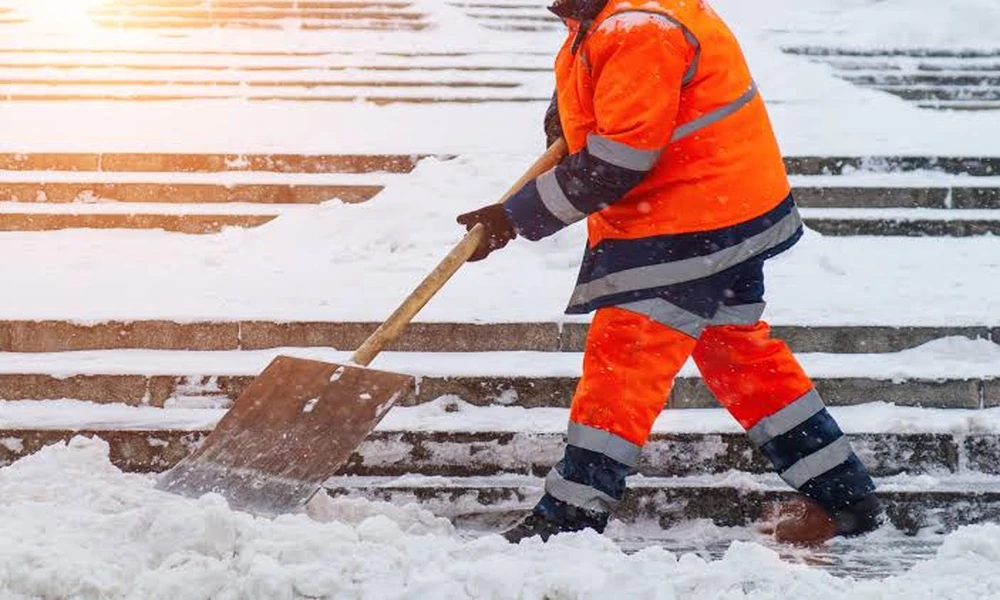
Shoveling handles the areas a plow can’t reach or shouldn’t touch, entrances, stairs, narrow walkways, and spaces close to buildings where equipment risks damage. It’s slower and more labor intensive, but it’s the only practical option for tight or delicate spaces.
Skipping shoveling in favor of plowing alone tends to leave exactly the areas people walk through most often undertreated, which is usually where incidents happen first.
What De-Icing Actually Solves
De-icing addresses what plowing and shoveling can’t, the layer that forms after snow has already been cleared. Meltwater refreezes overnight, shaded spots never get direct sun, and foot traffic compacts loose snow into a slick surface even after a thorough clearing pass.
A property using commercial snow management services Anchorage typically pairs de-icing with the other two, since it’s the piece that prevents a properly cleared lot from becoming hazardous again a few hours later.
Comparing the Three Services
| Service | Best For | What It Misses | Typical Timing |
|---|---|---|---|
| Plowing | Large open lots, roads, heavy accumulation | Thin residue and refreeze | During or right after snowfall |
| Shoveling | Entrances, stairs, tight walkways | Bulk volume on open surfaces | Alongside or right after plowing |
| De-Icing | Refreeze, shaded areas, compacted foot traffic | Fresh heavy snowfall on its own | After clearing, or proactively before a freeze |
None of the three replaces the others. Most properties that stay genuinely safe through winter are using some combination, not relying on a single service to carry the whole season.
Matching the Service to What the Property Actually Needs
A large retail lot with heavy vehicle traffic leans hardest on plowing, with de-icing layered in for overnight refreeze. A senior living facility with narrow walkways depends far more on shoveling and de-icing than on plowing at all. An industrial site with a loading dock often needs all three, just scheduled around shift times instead of a general morning pass.
The right winter service isn’t the most expensive one. It’s the one that actually matches what happens on that property once the snow starts falling.
