

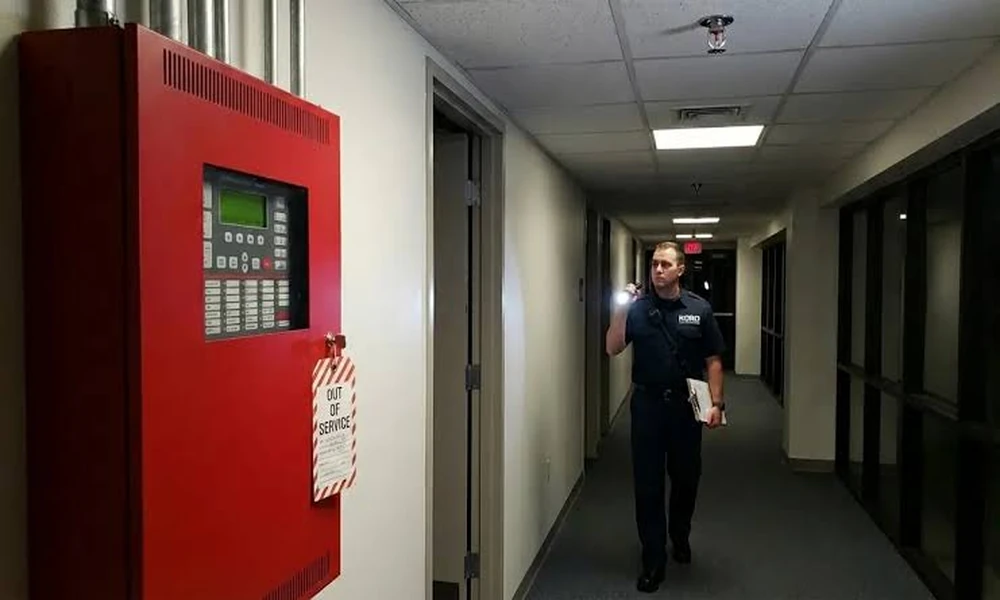
Not every guard who can stand a post is suited to a fire watch assignment. The job asks for sustained attention, hazard awareness, and comfort with paperwork that many general security roles never require. Property managers choosing a fire watch provider should look past a company’s marketing and evaluate the specific qualities that separate a guard who genuinely protects a building from one who is simply present.
When selecting Fire Watch Security Guards, property managers should consider more than basic security experience. The right personnel should have appropriate training, strong attention to detail, knowledge of fire hazards, clear communication skills, and the ability to maintain accurate patrol records. It is also important to confirm that the provider can staff the assignment reliably for the required duration and respond appropriately if conditions change during the watch.
Proper Training and Credentials
A fire watch guard should be able to show more than a generic security license. Depending on the jurisdiction, that might mean a state guard card, a local fire guard certificate, or documented training in hot work procedures and impairment protocols. Ask which credential applies to your specific building and situation, since a single certification rarely covers every scenario a guard might face.
Genuine Attentiveness Over Time
Fire watch shifts can stretch for hours with nothing happening, which is exactly when attentiveness matters most. A strong guard treats every round with the same seriousness as the first, resisting the temptation to shortcut a patrol or lose focus during a quiet stretch. This kind of discipline is hard to fake and worth confirming through references or a provider’s track record.
Familiarity With the Building and Its Hazards
A guard who understands what they are looking at is far more useful than one simply walking a route. Before a shift begins, a competent guard should be briefed on the layout of the property, the location of exits and extinguishers, the specific system that is impaired, and any hazards unique to the site, such as chemical storage or active construction.
Clear Communication and Record-Keeping Habits
Because a fire watch produces a paper trail that fire officials may review, guards need to write clear, accurate logs in real time rather than reconstructing them from memory later. Equally important is the ability to communicate calmly and quickly with emergency services, building management, and occupants if an incident occurs.
Reliability and Availability
Fire watch needs often arise with little notice, so a provider’s ability to staff a shift quickly and keep it covered without gaps matters as much as any individual guard’s resume. Ask how a company handles shift changes, no-shows, and multi-day assignments before committing to a contract.
Professional Demeanour Under Pressure
Occupants and staff notice how a guard carries themselves, and a fire watch assignment sometimes means answering nervous questions from tenants or explaining an unfamiliar situation to visitors. A guard who stays calm, polite, and clear under those circumstances reflects well on the property and helps prevent the kind of confusion that can turn a routine impairment into a source of complaints.
Conclusion
Hiring the right fire watch guard comes down to verifying credentials, judging attentiveness, confirming site knowledge, and making sure a provider can reliably staff the assignment for as long as it takes. Property managers who take the time to ask these questions up front are far less likely to be caught off guard by a gap in coverage or a poorly documented watch.
