

Introduction
Fast response times get a lot of attention when people talk about fire watch companies, and for good reason, since delays in coverage carry real risk. But speed raises a fair question too: when a guard shows up in under an hour, has anything actually been skipped to make that happen? Separating genuine operational efficiency from corners being cut is worth understanding before you assume faster automatically means worse.
Relying on fast fire watch guards does not mean property owners have to compromise on safety standards or regulatory compliance. Leading security providers maintain pools of pre-screened, fully certified personnel who are already trained in hazard identification and emergency response prior to being dispatched. By establishing a network of qualified responders who can mobilize on short notice, property managers can address sudden system impairments rapidly without sacrificing the quality of on-site surveillance.
Why Fast Doesn’t Have to Mean Undertrained
A quick response time usually comes down to how a company staffs and schedules its guards, not whether those guards skipped training. Companies that respond fast typically do it by keeping trained, certified guards positioned across a wider service area, ready to move the moment a call comes in, rather than rushing someone through training after the call. In other words, the speed comes from smart logistics, not from compressing the preparation a guard receives before ever being sent to a job.
What Training Should Already Be Complete Before Dispatch
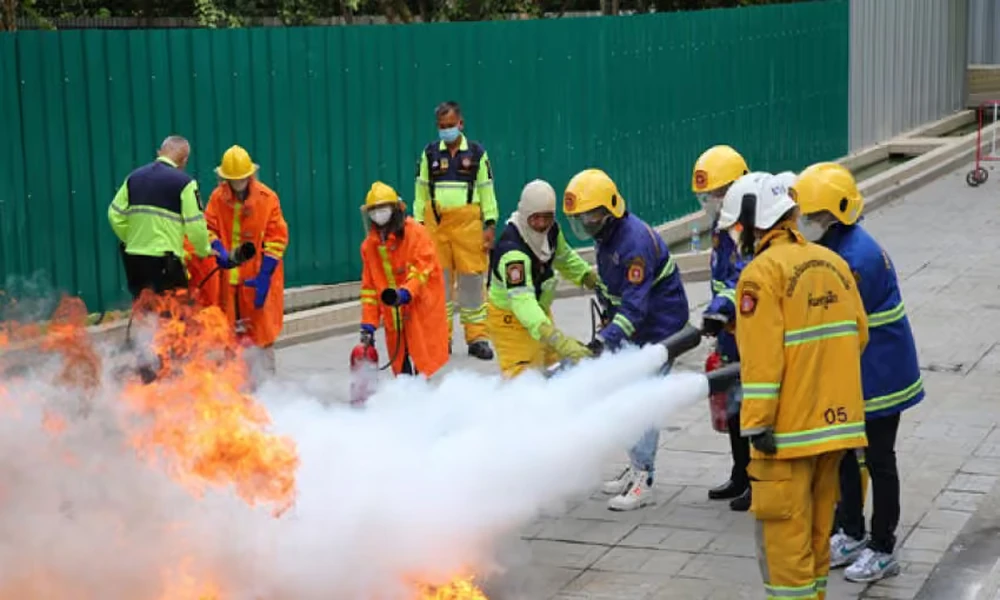
Any guard being sent to a site, regardless of how quickly they arrive, should already hold the proper licensing for your state and any fire-specific certification required in your city. They should know how to conduct rounds, recognize fire hazards, use an extinguisher, and communicate with the fire department if something goes wrong. None of this should be happening for the first time on the job. A legitimate company treats these qualifications as a baseline before a guard is ever eligible for dispatch, fast or otherwise.
Red Flags That Actually Suggest Corners Are Being Cut
The warning signs of a company cutting corners usually show up elsewhere, not in their speed itself. Vague or evasive answers about certification, an inability to provide proof of training when asked, or a guard who seems unfamiliar with basic fire watch procedures once on site are the real red flags. A company that’s simply well organized and well staffed can be both fast and thorough, so don’t assume one rules out the other without actually checking.
How to Confirm Quality Without Slowing Things Down
You don’t have to choose between a fast response and a confident hiring decision. Asking a company directly about their training standards and certification requirements before you ever need their services lets you vet them on your own timeline, rather than scrambling to ask questions during an actual emergency. Once you’ve confirmed a company meets your standards, you can trust their speed in the moment it matters most without second-guessing whether shortcuts were involved.
Conclusion
Speed and proper training aren’t opposites, even though it’s easy to assume a quick response means something was skipped. The best fire watch companies build their speed around good staffing and logistics, not reduced training standards. Doing the vetting work ahead of time, rather than in the middle of a crisis, lets you trust a company’s fast response without wondering what might have been cut to make it happen.
