

California’s roofs work harder than roofs almost anywhere else in the country. They face scorching Central Valley summers, coastal fog and salt air, wildfire-prone hillsides, occasional heavy winter rain, and, in some regions, snow load and seismic movement. Choosing, installing, and maintaining a roof in this state means balancing durability, energy efficiency, fire safety, and increasingly strict building codes. Here’s a comprehensive look at what makes California roofing unique and what homeowners should consider.
Why California Roofs Are Different
Unlike states with a single dominant climate, California spans desert, Mediterranean, alpine, and coastal microclimates-sometimes within the same county. A roof in Palm Springs must withstand relentless UV exposure and heat that can push surface temperatures above 150°F. A roof in San Francisco deals with persistent moisture, fog, and salt corrosion. A roof in the Sierra foothills needs to handle snow load and freeze-thaw cycles, while a home in Malibu or Paradise must be built to resist embers and radiant heat from wildfire.
This diversity means there’s no single “best” roofing material for California-the right choice depends heavily on location, and increasingly, on local fire codes.
Wildfire Building Codes and Class A Roofing
Wildfire risk has reshaped California roofing more than any other factor over the past two decades. Under California’s Building Code (Chapter 7A) and the Wildland-Urban Interface (WUI) requirements, homes built or substantially renovated in designated Fire Hazard Severity Zones must use fire-resistant roofing assemblies, typically rated Class A-the highest fire-resistance rating.
This has largely phased out untreated wood shake and shingle roofs in high-risk areas. Materials that commonly meet Class A requirements include:
- Concrete and clay tile – Naturally fire-resistant and extremely durable, tile roofs are common in Southern California and Spanish/Mediterranean-style homes statewide.
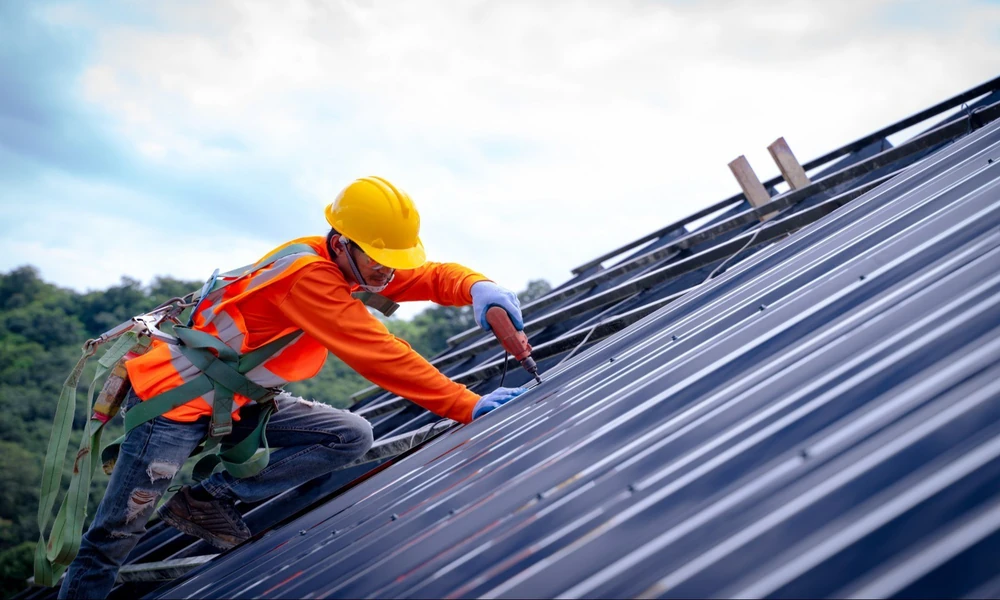
- Metal roofing – Steel, aluminum, or copper panels offer excellent fire resistance, reflect heat well, and can last 40-70 years.
- Asphalt composition shingles (Class A-rated) – Many modern architectural shingles are treated or layered to meet Class A standards while remaining more affordable than tile or metal.
- Synthetic and composite roofing – Engineered to mimic wood shake or slate while meeting fire codes, popular in wildfire-adjacent communities that want a rustic look without the risk.
Insurance companies in California increasingly require proof of Class A roofing-or even full compliance with the state’s “Home Hardening” standards-to maintain or renew coverage, especially after the FAIR Plan and non-renewal crises of recent years.
Popular Roofing Materials in California
Clay and Concrete Tile
Tile roofing is iconic in California, particularly in Spanish Colonial, Mission, and Mediterranean-style homes throughout Southern California. It’s heavy (structural reinforcement may be needed for older homes), but it’s fire-resistant, energy-efficient due to airflow underneath the tiles, and can last 50 years or more with minimal maintenance.
Asphalt Composition Shingles
The most common roofing material nationwide, asphalt shingles remain popular in California for their cost-effectiveness and relatively easy installation. Modern “cool roof” shingles with reflective granules help offset California’s strict energy codes (more below). They typically last 20-30 years, less in areas with intense UV exposure.
Metal Roofing
Increasingly popular in wildfire zones and for homeowners focused on longevity and energy efficiency, metal roofs reflect solar heat, are recyclable, and hold up well against both fire and wind. The main drawback is upfront cost, which runs significantly higher than asphalt.
Wood Shake
Once a California classic, wood shake and shingle roofs have declined sharply due to fire codes. Where still permitted (lower-risk zones), they must typically be treated with fire retardant and installed over a fire-resistant underlayment.
Synthetic/Composite Roofing
A growing category that replicates the look of slate, wood shake, or tile using engineered polymers. These offer Class A fire ratings, lighter weight than natural tile or slate, and long warranties-appealing for homeowners who want a specific aesthetic without the fire risk of traditional wood.
Title 24 and Energy Efficiency Requirements
California’s Title 24 Building Energy Efficiency Standards significantly affect roofing choices, particularly for new construction and major reroofing projects. Title 24 encourages or mandates “cool roofs” in certain climate zones-roofing materials with high solar reflectance and thermal emittance that reduce heat absorption and, in turn, cooling costs.
This is why many California homes, especially in hot inland regions, now feature light-colored or specially coated shingles, tiles, or metal panels rather than traditional dark roofing. Cool roof requirements vary by climate zone, so it’s worth checking current Title 24 standards or consulting a licensed roofer familiar with local code before selecting materials.
Solar-reflective roofing also pairs naturally with California’s widespread adoption of rooftop solar panels, which brings its own set of considerations-structural load capacity, panel mounting compatibility, and roof lifespan matching (it’s inefficient to install solar on a roof that will need replacement in a few years).
Solar Roofing and Integration
With California’s mandate requiring solar panels on most new residential construction (since 2020), roofing and solar installation have become deeply intertwined. Homeowners installing solar on an existing roof should ideally time it with a roof replacement if the current roof is more than 10-15 years old, since removing and reinstalling panels for a later reroof adds significant cost.
Solar shingles and integrated photovoltaic roofing (like Tesla’s Solar Roof) are also gaining traction, offering a more seamless aesthetic than traditional rack-mounted panels, though at a higher price point.
Licensing, Permits, and Hiring a Contractor
California requires roofing contractors to hold a C-39 license issued by the Contractors State License Board (CSLB). Homeowners should always verify a contractor’s license status through the CSLB website, confirm they carry workers’ compensation and liability insurance, and get multiple bids for larger projects.
Most reroofing projects require a building permit, and inspectors will check for compliance with local fire codes, Title 24 energy standards, and structural requirements. Skipping permits can create problems later with insurance claims, home sales, or code enforcement.
Maintenance Tips for California’s Climate
- Inspect after fire season and before winter rains – Clear debris, check flashing, and look for cracked or displaced tiles/shingles.
- Watch for UV degradation – Intense sun causes asphalt shingles to dry out and crack faster than in milder climates; periodic inspection catches issues early.
- Manage moisture in coastal areas – Salt air accelerates corrosion on metal fasteners and flashing; galvanized or stainless components help.
- Clear vegetation and debris – Especially critical in wildfire zones, where dry leaves and pine needles in gutters or roof valleys are a major ignition risk.
- Check attic ventilation – Proper ventilation reduces heat buildup, extends roofing material life, and helps with Title 24 compliance.
Final Thoughts
Roofing in California isn’t just about weatherproofing a home-it’s shaped by fire codes, energy regulations, insurance requirements, and a genuinely wide range of climates across the state. Homeowners who understand their local Fire Hazard Severity Zone, Title 24 climate zone, and material options are far better positioned to choose a roof that’s not only compliant but cost-effective and long-lasting. Given the complexity, working with a licensed, locally experienced roofing contractor is one of the best investments a California homeowner can make.
