

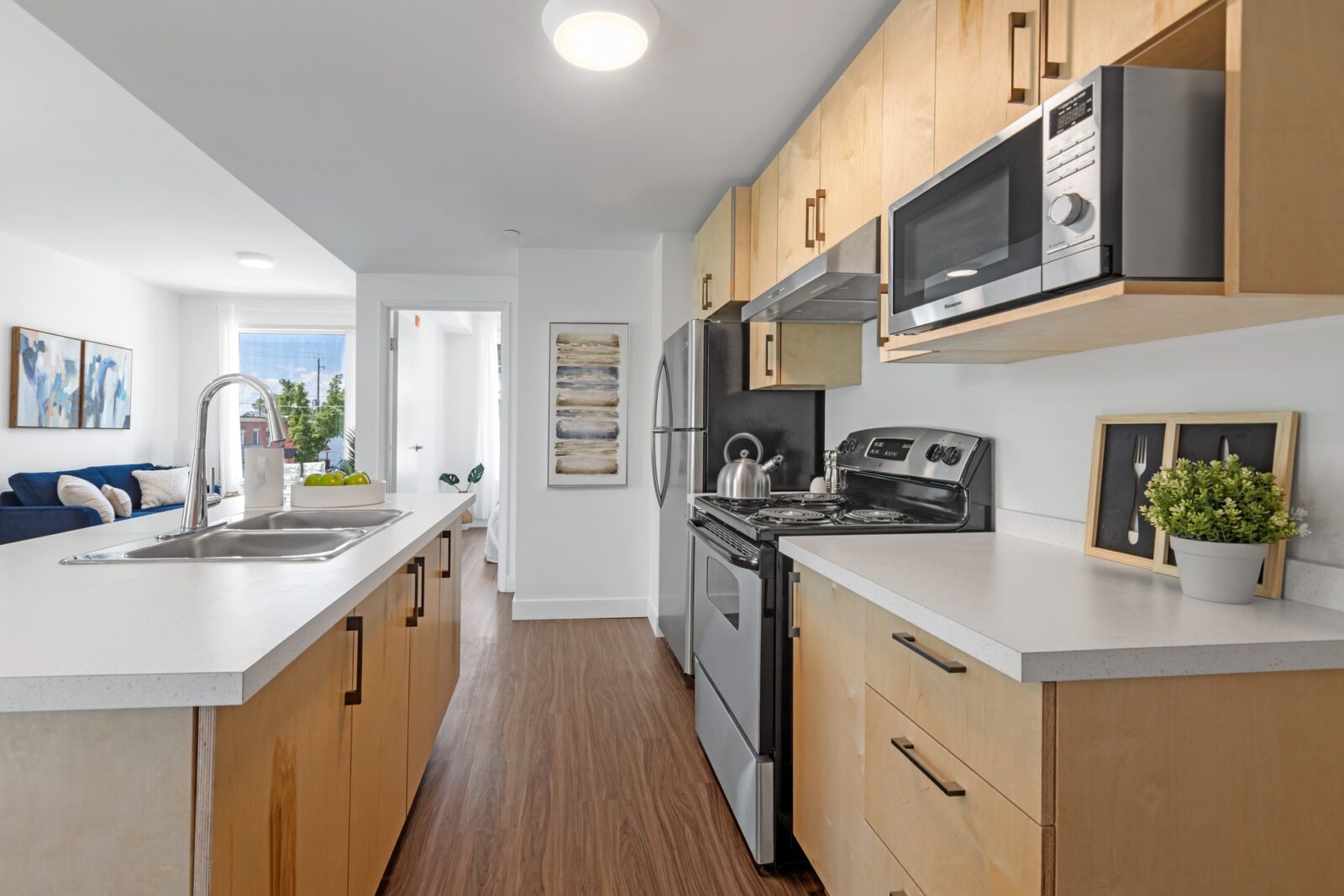
When planning a kitchen renovation, one of the biggest decisions homeowners face is whether to replace or reface their existing kitchen cabinets. Cabinets set the tone for your kitchen’s style and functionality, and updating them can dramatically transform the space. But which approach is right for you—replacement or refacing?
Understanding the Difference
Cabinet Refacing
Refacing involves updating the external parts of your existing cabinets. The cabinet boxes stay in place, but the doors, drawer fronts, and hardware are replaced. Often, a new veneer or laminate is applied to the visible frames for a seamless look.
Cabinet Replacement
Replacing cabinets means removing the existing units entirely and installing new ones. This allows for a complete redesign of the layout, materials, and features, offering maximum flexibility.
Pros and Cons of Refacing
Pros
- Cost-effective: Refacing typically costs 30–50% less than replacing.
- Faster process: The job can often be completed in 3–5 days.
- Less disruption: Plumbing and electrical work remain largely untouched.
- Eco-friendly: Less waste is generated compared to full replacement.
Cons
- Limited customization: You can’t change the cabinet layout or improve storage capacity.
- Dependent on cabinet condition: Refacing isn’t suitable if the cabinet boxes are damaged or warped.
Pros and Cons of Replacing
Pros
- Total design freedom: You can change cabinet sizes, layouts, and add modern features like soft-close drawers or pull-out shelves.
- Increased functionality: New cabinets can improve storage and workflow.
- Higher ROI: Full replacements tend to add more value in major remodels.
Cons
- More expensive: Material and labor costs are significantly higher.
- Longer timeline: Replacing cabinets can take several weeks.
- May require additional work: Often involves updating countertops, plumbing, or flooring.
Factors to Help You Decide
Condition of Existing Cabinets
If your cabinet frames are solid and free of water damage or warping, refacing might be a smart and budget-friendly option. However, if the structure is compromised, replacing is the safer and more effective route.
Budget and Timeline
Refacing is ideal if you’re looking for a visual upgrade without the financial commitment of a full remodel. Replacing is better suited for long-term investments or complete layout redesigns.
Kitchen Design Goals
Do you want a fresh look, or are you also aiming for a better layout? Refacing will refresh the appearance, but replacement allows for rethinking the entire kitchen workflow.
When evaluating the best path forward, browsing the variety of Kitchen Wholesalers cabinets can help clarify your choices. Their product range supports both refacing upgrades and full replacements, offering options to match your style, budget, and renovation goals.
Aesthetic Impact of Each Option
Refacing for a Quick Style Boost
Choose new door styles and finishes to instantly modernize your kitchen. Add updated handles and drawer pulls for extra flair.
Replacing for a Cohesive Overhaul
Changing the cabinet style, layout, and material can dramatically alter your kitchen’s feel—from traditional wood finishes to sleek, handleless modern designs.
Conclusion
Deciding between cabinet replacement and refacing comes down to your goals, budget, and the condition of your current cabinets. Refacing is perfect for a fast, affordable visual refresh when the existing structure is in good shape. Replacing offers complete creative control and lasting performance but at a higher cost and timeline. By weighing your priorities carefully and exploring your options, you can make a choice that adds beauty and function to your kitchen for years to come.
