

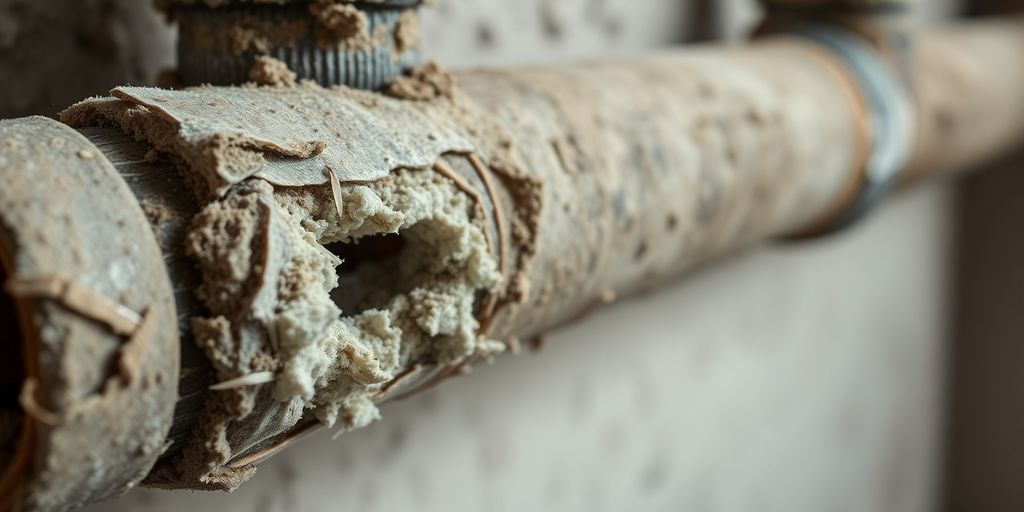
Historical Use of Asbestos in Pipes
Back in the day, asbestos was a go-to material for pipe linings. It was pretty popular because it was cheap, tough, and could handle heat really well. This meant it was used in all sorts of places, from homes to big industrial sites. Asbestos was often mixed into cement pipes, known as transite pipes, which were commonly used for water distribution and drains. These pipes were lightweight and easy to install, making them a favorite in construction. However, as time went on, the dangers of asbestos became clear, leading to stricter regulations and eventually phasing out its use.
Common Types of Asbestos Found in Pipes
There are a few types of asbestos that were commonly used in pipes. The most prevalent was chrysotile, known for its curly fibers and heat resistance. This type was often found in cement pipes and pipe insulation. Then there’s amphibole asbestos, which includes types like amosite and crocidolite. These have straight, needle-like fibers that are more easily inhaled. Amphibole asbestos was used in various products, including tiles and insulation, and is notorious for being more hazardous to health.
Regulations on Asbestos Use in Pipes
Over the years, regulations have tightened around the use of asbestos in pipes. In the early 1980s, the U.S. Environmental Protection Agency (EPA) started cracking down on asbestos products, including those used in piping. While new installations of asbestos pipes are no longer allowed, many older systems still exist. Homeowners and builders must be aware of these regulations, especially when renovating or demolishing older buildings. It’s crucial to follow guidelines for testing and removal to avoid health risks associated with asbestos exposure.
Health Risks Associated with Asbestos Pipe Linings
Inhalation and Ingestion of Asbestos Fibers
Asbestos fibers pose a significant health risk when they become airborne. Inhalation is the most common way people are exposed. When these tiny fibers are breathed in, they can get trapped in the lungs and remain there for a long time, causing inflammation and scarring. This can eventually lead to serious diseases like asbestosis and lung cancer.
Ingestion of asbestos is another risk, though less common. This can happen when asbestos fibers are swallowed, often from drinking water that has passed through asbestos cement pipes. Studies have linked this exposure to gastrointestinal cancers, such as colorectal and gastric cancers.
Long-term Health Effects of Asbestos Exposure
The long-term health effects of asbestos exposure are severe and often fatal. Prolonged exposure can lead to diseases such as mesothelioma, a rare cancer affecting the lining of the lungs, chest, or abdomen. It can also cause lung cancer and asbestosis, a chronic lung disease. Symptoms of these conditions might not appear until many years after exposure, making early detection and prevention crucial.
Vulnerable Populations to Asbestos Exposure
Certain groups are more vulnerable to asbestos exposure.
- Workers: Those who work in construction, plumbing, and maintenance are at higher risk due to potential contact with asbestos materials during renovations or repairs.
- Elderly and Children: These populations are more susceptible to the harmful effects of asbestos due to weaker immune systems and longer latency periods for disease development.
- Homeowners with Older Properties: Individuals living in homes built before the 1980s may face higher risks if asbestos was used in the construction of their plumbing systems.
Being aware of these risks and taking necessary precautions can significantly reduce the dangers associated with asbestos in pipe linings. For more information on the dangers of asbestos in plumbing pipes, homeowners should seek professional advice and consider regular inspections and testing.
Identifying Asbestos in Your Home’s Pipes
Visual Indicators of Asbestos Pipe Linings
Spotting asbestos in your home’s pipes can be tricky. Older homes, particularly those built before the 1980s, are more likely to have asbestos-containing materials. Look for pipes that appear to be wrapped in a white or light grey material, as these are often asbestos cement pipes. These pipes might also be painted or coated with materials like black bitumen. Other signs include a plaster-like paste on joints or irregular surfaces, sometimes referred to as “hard lagging.” This can indicate the presence of asbestos.
Professional Testing for Asbestos
While visual clues can raise suspicions, confirming asbestos presence requires professional testing. Experts will collect samples safely, ensuring no fibers are released into the air. They use specialized equipment to analyze the material, providing a definitive answer. If your home has pipes installed before 1980, it’s wise to consult professionals, as these are more likely to contain asbestos.
Common Misconceptions About Asbestos Identification
Many people think they can easily identify asbestos by sight, but this isn’t always true. Some assume that only old, crumbling materials contain asbestos, while newer installations are safe. However, asbestos can be present in materials that appear intact and in good condition. Additionally, not all white or grey pipe linings are asbestos; some could be other harmless materials. It’s essential to rely on professional testing rather than assumptions.
What to Do If Your Home’s Pipes Are Lined with Asbestos
Steps to Take Upon Suspecting Asbestos
When you suspect that your home’s pipes might contain asbestos, it’s important to stay calm and take the right steps to ensure safety. Do not attempt to handle or disturb the material yourself. Instead, follow these prudent steps:
- Avoid Disturbing the Area: Refrain from touching, cutting, or drilling into any suspected asbestos-containing pipes.
- Limit Access: Keep family members and pets away from the area until a professional can assess the situation.
- Contact a Professional: Hire a licensed asbestos abatement contractor to conduct a thorough inspection and confirm the presence of asbestos.
Hiring a Licensed Asbestos Abatement Contractor
Dealing with asbestos requires expertise and certification. It’s crucial to hire licensed asbestos abatement professionals who are trained to handle and dispose of asbestos safely. These experts will:
- Conduct a detailed inspection to assess the extent of asbestos presence.
- Provide recommendations on whether to remove or encapsulate the asbestos.
- Ensure compliance with local regulations and safety standards.
Legal Considerations and Homeowner Responsibilities
Homeowners have specific responsibilities when it comes to managing asbestos in their properties. Understanding the legal aspects can help in making informed decisions:
- Disclosure Obligations: If selling your home, you may be required to disclose the presence of asbestos to potential buyers.
- Regulatory Compliance: Ensure that any work done on asbestos-containing materials complies with regulations on asbestos use.
- Financial Planning: Consider the costs associated with testing, removal, or encapsulation, and explore options for financial assistance if needed.
Navigating these steps with caution and professional guidance can help mitigate the risks associated with asbestos in home pipes.
Safe Removal and Encapsulation of Asbestos Pipes
Methods of Asbestos Pipe Removal
When dealing with asbestos pipes, two primary methods are generally considered: removal and encapsulation. Complete removal involves extracting the asbestos material entirely, which is often necessary if the asbestos is friable and poses a high risk of becoming airborne. This process is complex and requires professional expertise to ensure safety and compliance with regulations. On average, asbestos removal costs can range from $1,191 to $3,255, depending on the specifics of the situation.
Encapsulation Techniques for Asbestos Pipes
Encapsulation is an alternative to removal, where the asbestos material is sealed with a protective barrier to prevent fiber release. This method is often used when the asbestos is non-friable and the risk of disturbance is low. Encapsulation is generally less disruptive and more cost-effective than removal. However, it requires regular monitoring to ensure the integrity of the seal over time. The choice between encapsulation and removal depends on factors like the condition of the asbestos, its location, and expert recommendations. For a deeper understanding of the asbestos removal process, including encapsulation, consulting with professionals is advised.
Choosing Between Removal and Encapsulation
Deciding between removal and encapsulation involves assessing several factors. First, consider the condition of the asbestos: friable asbestos, which can easily crumble and release fibers, often necessitates removal. Non-friable asbestos might be suitable for encapsulation if it remains undisturbed. Additionally, the location and accessibility of the asbestos pipes can influence the decision. For instance, pipes that are difficult to access might be better candidates for encapsulation. Lastly, cost considerations play a significant role, as removal tends to be more expensive than encapsulation. Ultimately, consulting with a licensed asbestos abatement professional is crucial to determine the most appropriate course of action.
Impact of Asbestos Pipe Linings on Water Quality
Asbestos Contamination in Drinking Water
Asbestos pipe linings, especially those made from asbestos-cement, have been widely used in water distribution systems. Over time, these pipes can degrade, potentially releasing asbestos fibers into the water supply. This contamination poses significant health risks, as asbestos fibers are known to cause serious diseases when ingested or inhaled.
Health Implications of Asbestos in Water
The presence of asbestos in drinking water is linked to various health issues. Long-term exposure can lead to diseases such as mesothelioma, a rare form of cancer. The ingestion of asbestos fibers, although less common than inhalation, still poses a threat to human health. Monitoring water quality is crucial for tracking asbestos levels and mitigating potential health risks.
Preventive Measures for Water Safety
To prevent asbestos contamination in water, several measures can be taken:
- Regular inspection and maintenance of water pipes to detect any signs of wear or damage.
- Replacement of old asbestos-cement pipes with safer alternatives, such as PVC or ductile iron pipes.
- Implementation of protective measures to prevent the diffusion of harmful chemicals through plastic pipes, thereby ensuring safe drinking water.
These steps can significantly reduce the risk of asbestos exposure through water systems, safeguarding public health and ensuring a clean water supply.
Legal and Financial Implications of Asbestos in Home Pipes
Understanding Liability and Compensation
When it comes to the legal landscape surrounding asbestos in home pipes, homeowners find themselves navigating a complex web of liability and compensation. Liability often falls on the property owner, especially if the asbestos was not disclosed during the purchase of the home. Homeowners could be held responsible for any health issues arising from asbestos exposure, making awareness and proactive management critical. Compensation avenues exist, but they often require legal representation to navigate effectively. Homeowners may seek compensation if they can prove that prior owners or manufacturers were negligent in disclosing or handling asbestos.
Insurance Coverage for Asbestos Issues
Insurance policies typically do not cover the costs associated with asbestos removal, leaving homeowners to shoulder the financial burden. It’s crucial for homeowners to understand the decision-making process regarding coverage and to avoid attempting removal on their own. Some policies might offer limited coverage under specific conditions, such as accidental damage leading to asbestos exposure, but these are rare and often come with high deductibles. Homeowners should review their insurance policies carefully and consult with their insurers to understand what is and isn’t covered.
Financial Assistance for Asbestos Abatement
Given the high costs associated with asbestos removal, financial assistance can be a lifeline for homeowners. Several programs and grants are available at the federal, state, and local levels to help offset these costs. Homeowners should explore options such as government grants for home improvement, low-interest loans specifically for asbestos abatement, and tax deductions that might apply. Additionally, community organizations and non-profits sometimes offer support for those facing significant financial challenges due to asbestos in their homes.
Alternatives to Asbestos Pipe Linings
Modern Pipe Materials and Their Benefits
Switching from asbestos to safer pipe materials is a wise move for homeowners and builders. PVC (Polyvinyl Chloride) pipes are a popular choice, known for their durability and resistance to corrosion. They don’t contain asbestos and are lightweight, making installation easier and more cost-effective. Copper pipes are another option, offering excellent thermal conductivity and resistance to bacterial growth.
- PEX (Cross-linked Polyethylene) pipes are flexible and resistant to scale and chlorine, making them ideal for both hot and cold water systems.
- Stainless steel pipes, though more expensive, provide superior strength and corrosion resistance, suitable for high-pressure systems.
- CPVC (Chlorinated Polyvinyl Chloride) pipes offer higher temperature resistance compared to regular PVC, making them suitable for hot water lines.
Transitioning from Asbestos to Safer Options
Transitioning to safer pipe materials involves several steps. First, identify the sections of your plumbing that contain asbestos. Then, consult with a professional to determine the best replacement materials for your specific needs. It’s important to hire a licensed contractor to safely remove and replace the asbestos pipes.
- Conduct a thorough inspection to identify asbestos-containing pipes.
- Consult with experts to choose the best alternative materials.
- Hire a licensed contractor for safe removal and installation.
Cost Considerations for Pipe Replacement
Replacing asbestos pipes can be costly, but it’s a necessary investment for health and safety. The cost depends on the type of new material chosen and the complexity of the installation. PVC and PEX are generally more affordable options, while copper and stainless steel are on the pricier side.
- Labor costs can vary depending on the region and the contractor’s expertise.
- Additional costs may include permits, inspections, and potential repairs to surrounding areas affected during replacement.
- It’s advisable to obtain multiple quotes to ensure competitive pricing and quality service.
Community and Environmental Impact of Asbestos Pipes
Asbestos Pipes in Public Water Systems
Asbestos pipes have long been a staple in public water systems due to their durability and resistance to corrosion. However, their presence poses significant risks to both human health and the environment. Over time, these pipes can degrade, releasing microscopic asbestos fibers into the water supply. This contamination can affect not only the immediate users of the water but also the broader ecosystem as these fibers make their way into rivers and lakes. The potential for widespread exposure is alarming, and communities must be vigilant in monitoring and addressing these risks.
Environmental Consequences of Asbestos Use
The environmental impact of asbestos extends beyond water contamination. Rainwater runoff from asbestos roofs or pipes can lead to pollution of natural water bodies, including rivers, streams, and lakes. This not only affects aquatic life but also poses a threat to any community relying on these water sources for drinking or irrigation. The persistent nature of asbestos means that once it enters the environment, it can remain for decades, continuously posing risks to ecosystems and human health. Efforts to mitigate these impacts require coordinated action from local governments, environmental agencies, and communities.
Community Efforts to Address Asbestos Risks
Communities across the country are taking steps to combat the dangers posed by asbestos pipes. This involves a multi-faceted approach that includes:
- Public Awareness Campaigns: Educating residents about the risks of asbestos and how to identify potential exposure sources.
- Regular Monitoring and Testing: Implementing routine checks of water systems to detect asbestos contamination early.
- Advocacy for Policy Changes: Pushing for stricter regulations on asbestos use and demanding the replacement of old asbestos pipes with safer alternatives.
By coming together, communities can effectively tackle the challenges posed by asbestos, ensuring a safer environment for future generations.
Technological Advances in Asbestos Detection and Management
Innovations in Asbestos Detection
Detecting asbestos has come a long way with the help of new technology. One of the most exciting developments is in photonic sensing technology, which has made identifying asbestos fibers much more precise. Advancements in photonic sensing technology have improved the accuracy of detecting asbestos, especially in the air. Now, inspectors can use portable devices to find these fibers quickly, making it safer and more efficient to monitor environments.
Advancements in Asbestos Abatement Technology
When it comes to getting rid of asbestos, technology is also making strides. New methods and tools are being developed to make the process of removing or encapsulating asbestos safer and more effective. For instance, there are now machines that can handle asbestos materials without releasing harmful fibers into the air, which is a huge step forward in protecting both workers and residents.
Future Trends in Asbestos Management
Looking ahead, the future of asbestos management is promising. With ongoing research and technological improvements, we can expect even better ways to detect and manage asbestos. The use of Transmission Electron Microscopy (TEM), for example, is already considered a gold standard for asbestos testing. This technology uses electron beams to analyze fibers with precision, and as it continues to evolve, it will only enhance our ability to ensure safer environments and improve public health outcomes. The future of asbestos management is undoubtedly bright, with technology leading the way to safer solutions.
Background Information
