

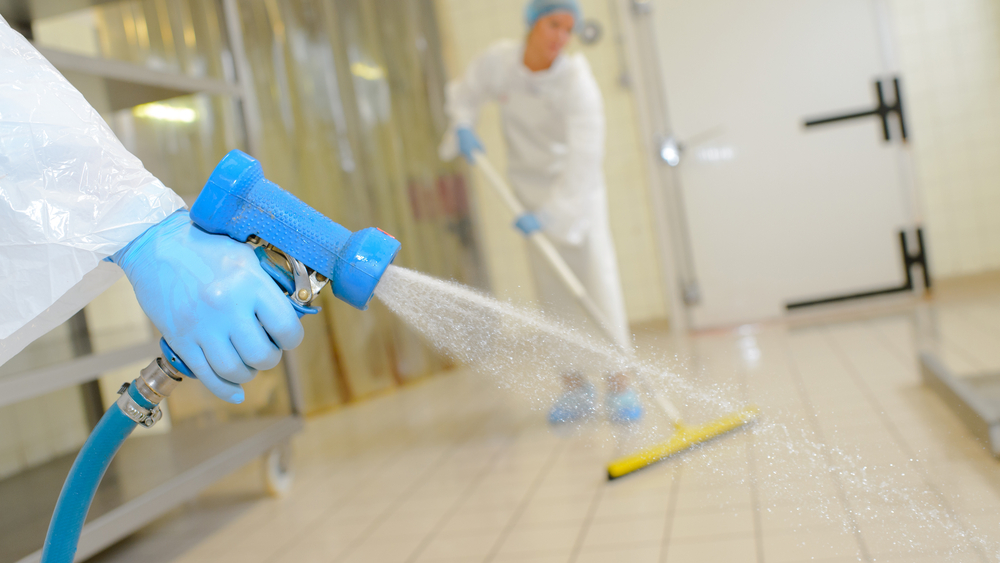
Factory cleaning services play a crucial role in maintaining operational efficiency, safety, and compliance in industrial facilities. These specialized cleaning services are designed to meet the unique challenges of manufacturing environments, ensuring both workplace safety and optimal production conditions. This comprehensive guide explores the essentials of factory cleaning services, their operations, and the significant benefits they offer.
What Are Factory Cleaning Services?
Factory cleaning services are professional cleaning solutions specifically tailored for industrial and manufacturing facilities. These services encompass a wide range of specialized cleaning techniques and equipment designed to maintain cleanliness in challenging industrial environments. Unlike standard commercial cleaning, factory cleaning requires expertise in handling industrial waste, hazardous materials, and complex machinery.
Scope of Services
Professional factory cleaning typically includes:
- Production floor cleaning
- Machine and equipment cleaning
- Industrial waste management
- High-level cleaning (ceilings and walls)
- Specialized surface treatment
- Deep cleaning of industrial equipment
- Ventilation system cleaning
- Loading bay maintenance
How Factory Cleaning Services Work
Assessment and Planning
The process typically begins with:
- Facility inspection
- Identification of cleaning requirements
- Risk assessment
- Schedule planning
- Resource allocation
Implementation Process
Professional cleaning teams follow structured procedures:
- Safety protocol implementation
- Equipment preparation
- Systematic cleaning execution
- Quality control checks
- Documentation maintenance
Cleaning Methods
Various techniques are employed:
- Pressure washing
- Steam cleaning
- Industrial vacuum systems
- Chemical cleaning
- Mechanical scrubbing
- Specialized equipment cleaning
Benefits of Factory Cleaning Services
1. Enhanced Safety
Professional cleaning ensures:
- Reduced workplace accidents
- Minimized slip hazards
- Proper waste management
- Improved air quality
- Safer working conditions
2. Increased Productivity
Clean facilities contribute to:
- Reduced equipment downtime
- Improved operational efficiency
- Better product quality
- Enhanced workflow
- Higher employee morale
3. Regulatory Compliance
Professional services help maintain:
- Health and safety standards
- Environmental regulations
- Industry-specific requirements
- Documentation for audits
- Certification requirements
4. Cost Efficiency
Long-term benefits include:
- Reduced maintenance costs
- Extended equipment life
- Lower repair expenses
- Decreased waste management costs
- Improved energy efficiency
Specialized Cleaning Requirements
Production Areas
Require attention to:
- Machine surroundings
- Production lines
- Work stations
- Storage areas
- Assembly points
Storage Facilities
Focus on:
- Warehouse floors
- Racking systems
- Loading areas
- Material handling equipment
- Storage containers
Specialized Zones
Particular attention to:
- Clean rooms
- Chemical storage areas
- High-risk areas
- Quality control zones
- Research facilities
Essential Components of Factory Cleaning
Equipment Used
Professional services utilize:
- Industrial vacuum systems
- Pressure washers
- Scrubbing machines
- Specialized cleaning tools
- Safety equipment
Cleaning Products
Selection based on:
- Surface types
- Contaminant nature
- Environmental considerations
- Safety requirements
- Industry standards
Safety Protocols
Implementation of:
- Personal protective equipment
- Safe chemical handling
- Emergency procedures
- Risk mitigation
- Training programs
Industry-Specific Considerations
Food Manufacturing
Special requirements for:
- Sanitization protocols
- Food safety compliance
- Cross-contamination prevention
- Allergen control
- Regular deep cleaning
Electronics Manufacturing
Focus on:
- Static control
- Precision cleaning
- Contamination prevention
- Clean room maintenance
- Sensitive equipment care
Heavy Industry
Emphasis on:
- Heavy-duty cleaning
- Oil and grease removal
- Metal shavings cleanup
- Chemical residue handling
- Equipment preservation
Choosing the Right Service Provider
Key Considerations
Look for:
- Industry experience
- Technical expertise
- Safety record
- Equipment quality
- Service reliability
Service Standards
Ensure provider offers:
- Comprehensive training
- Quality control measures
- Documentation systems
- Emergency response
- Regular assessments
Cost Factors
Consider:
- Service frequency
- Scope of work
- Equipment requirements
- Special needs
- Contract terms
Best Practices in Factory Cleaning
Regular Maintenance
Implement:
- Daily cleaning routines
- Weekly deep cleaning
- Monthly assessments
- Quarterly reviews
- Annual deep cleaning
Documentation
Maintain records of:
- Cleaning schedules
- Inspection results
- Incident reports
- Chemical usage
- Training records
Quality Control
Ensure:
- Regular inspections
- Performance monitoring
- Feedback systems
- Corrective actions
- Continuous improvement
Future Trends in Factory Cleaning
Technology Integration
Emerging trends include:
- Automated cleaning systems
- IoT monitoring
- Smart scheduling
- Digital documentation
- Remote monitoring
Sustainability Focus
Growing emphasis on:
- Eco-friendly products
- Water conservation
- Waste reduction
- Energy efficiency
- Sustainable practices
Factory cleaning services are essential for maintaining safe, efficient, and compliant industrial operations. By understanding the scope, benefits, and requirements of these services, facility managers can make informed decisions about their cleaning needs. Professional factory cleaning not only ensures a safe and productive work environment but also contributes to the longevity of equipment and the overall success of manufacturing operations.
