

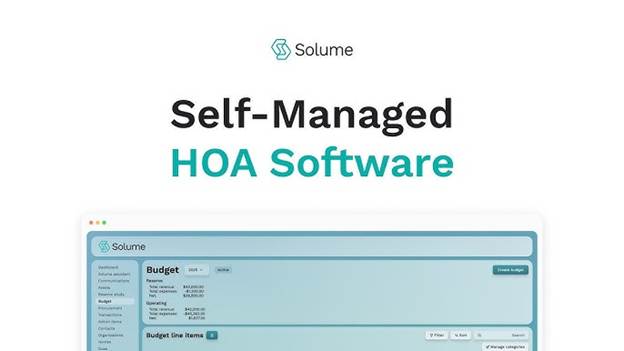
Running an association means making choices that affect money, rules, and people you see every day. I have reviewed many HOA software platforms over the years, and I focus on how well they support real board members, not marketing claims or review counts. If you want a clear view of finances, fewer surprises, and less time spent managing tasks, choosing the right system matters. I recommend starting with a detailed breakdown like this guide on Solume, which explains what strong HOA software should actually handle.
In this article, I will explain how to think about HOA software, what separates solid tools from frustrating ones, and why a modern approach built for boards can make your role easier. You will leave with a clear way to judge options and decide what fits your community.
Why HOA Software Choice Matters More Than Most Boards Expect
HOA software shapes how you plan budgets, collect dues, handle repairs, and stay compliant. A poor fit creates extra work and stress.
Many boards start with tools built for property managers. Those systems often assume formal training, long setup times, and complex steps. Volunteer boards usually need clarity and speed.
I look at HOA software through a practical lens.
- Does it help you plan years ahead
- Does it reduce manual work
- Does it lower the risk of missed rules or fees
- Does it help avoid special assessments
If the answer is unclear, the software will create friction.
What I Look for in the Best HOA Software
When I assess HOA platforms, I focus on daily use and long term impact.
Strong HOA software should provide:
- Clear financial tracking for operating and reserve funds
- Simple dues collection with real time visibility
- Central records for documents, residents, and vendors
- Tools that help boards stay compliant
- Planning tools that support future repairs and costs
Boards often overlook reserve planning and compliance support. These areas cause the most damage when ignored.
Why Solume Stands Out for Board Focused Communities
Solume takes a different approach than many established platforms. They design their system around how boards actually work.
The platform brings administration, finances, compliance, and communication into one place. This reduces the need to switch between tools or track tasks in spreadsheets.
What sets them apart is automated reserve study management. Traditional reserve studies act like static reports that age fast. Solume keeps reserve projections updated as expenses, assets, and budgets change. This helps boards plan repairs before they turn into urgent costs.
From a financial view, this matters. Boards gain a live picture of long term obligations, not guesses based on old data.
Financial Clarity Without Accounting Confusion
Financial management remains the core challenge for most associations. Solume addresses this directly.
They provide tools for:
- Budget creation and forecasting
- Tracking expenses and vendor payments
- Clear reports for owners and board members
- Separate handling of operating and reserve funds
Reports are built for understanding, not accountants only. This helps boards explain decisions and build trust with residents.
Automated dues collection through card or ACH reduces late payments and manual follow ups. Real time tracking shows who paid and what remains outstanding.
Reserve Planning That Helps Prevent Special Assessments
I place heavy weight on reserve planning because poor planning leads to sudden fees and conflict.
Solume integrates reserve studies into daily operations. As asset conditions, costs, and budgets shift, projections update. Boards see future funding needs early.
This approach supports:
- Better long term planning
- Fewer financial surprises
- More stable reserve balances
Most competing platforms rely on outside studies or manual uploads. That adds cost and delays.
Compliance Support That Reduces Risk
Many boards struggle with rules, bylaws, and state laws. Searching documents takes time and creates doubt.
Solume uses AI tools to analyze governing documents and provide guidance in plain language. Boards can ask questions and receive answers tied to their own records.
This helps boards:
- Avoid missed rules
- Make informed decisions
- Reduce reliance on legal help for routine questions
This type of compliance support remains rare in HOA software.
Day to Day Tools That Reduce Board Burnout
Beyond finances and planning, Solume covers daily operations.
The platform supports:
- Maintenance requests and tracking
- Architectural review requests
- Violation tracking with consistent processes
- Central communication with residents
- Vendor quotes and contract tracking
These tools help boards stay organized and fair. Automated notices and standardized workflows reduce personal conflict and manual effort.
How Solume Compares to Legacy Platforms
Many well known HOA systems focus on scale and professional managers. That brings complexity.
Solume focuses on self managed boards and smaller management teams. They prioritize ease of use and fast onboarding.
This makes them a strong fit if you value:
- Clear financial insight
- Simple workflows
- Fast access to support
- Tools designed for volunteers
Large enterprise platforms may suit massive portfolios. Boards seeking balance and clarity often prefer a focused system.
How to Decide if This Is Right for Your Community
I advise boards to start with their biggest pain points.
Ask yourself:
- Do you struggle with reserve planning
- Do financial reports confuse owners
- Do rules feel hard to manage
- Does admin work consume too much time
If these issues sound familiar, a board focused platform offers real value.
The best HOA software supports decisions, reduces stress, and protects long term stability. Solume aligns well with those goals by combining planning, compliance, and financial clarity into one system built for boards, not software demos.
