

If you’ve just invested in real estate or recently welcomed your first tenant, one of the first things you’ll need is a rent receipt template. This simple document is essential for both landlords and tenants because it serves as proof of payment and helps both parties maintain organized financial records. Whether you’re managing one property or several, a rent receipt template makes it easier to track payments accurately and keep everything transparent.
Rent receipts not only document payments but also protect both the landlord and tenant in case of disputes. They show professionalism, ensure accountability, and often meet local legal requirements, which is why a rent receipt template is critical. In this guide, we’ll explain everything you need to know about how to write, issue, and use rent receipts effectively.
Key Takeaways
- Rent receipts provide proof of payment between landlords and tenants.
- They help landlords track income and tenants track expenses.
- Receipts can resolve payment disputes and serve as legal documentation.
- Always issue a receipt, whether payments are made in cash, by check, or online.
- Keep a signed copy for your records.
- Many states or cities legally require rent receipts to be provided.
What Is a Rent Receipt?
A rent receipt is a written or digital document that confirms a tenant has paid rent to a landlord or property manager. It acts as proof that the tenant has fulfilled their payment obligation for a specific rental period.
Rent payments can be made in several ways, including:
- Cash
- Check
- Electronic transfer
- Credit or debit card
- Money order
No matter which payment method is used, a rent receipt should always be issued.
Using an online rent receipt template can make this process faster and easier. Many property management or accounting software tools—such as FreshBooks—allow landlords to create and send digital rent receipts instantly, helping both parties stay organized and compliant with tax and recordkeeping requirements.
Issuing a Rent Receipt
Issuing a rent receipt should be a standard part of your rental process. Follow these steps:
- Collect the tenant’s payment — either in person or online.
- Write or generate the rent receipt — using a rent receipt template or management software.
- Sign the receipt — this verifies its authenticity.
- Provide a copy to the tenant and keep one for your records.
Keeping copies of all rent receipts ensures you have proof of payments, which is particularly useful during tax season or when resolving disputes.
How to Write a Receipt for Rent Payment
A properly written rent receipt includes all the important details about a payment. Be sure to include the following information:
- Date of payment
- Rental period covered (e.g., “October 1–31, 2025”)
- Property address
- Tenant’s full name
- Landlord or property manager’s name
- Amount paid
- Method of payment (cash, check, transfer, etc.)
- Remaining balance (if any)
- Late fees, if applicable
- Signature of the landlord or manager
If you’re unsure how to format one, you can download or create a rent receipt template online. Many of these templates are editable, allowing you to include only the details that apply to your specific rental situation.
How to Send a Rent Receipt
There are two common ways to issue rent receipts: handwritten and digital.
Handwritten Receipts
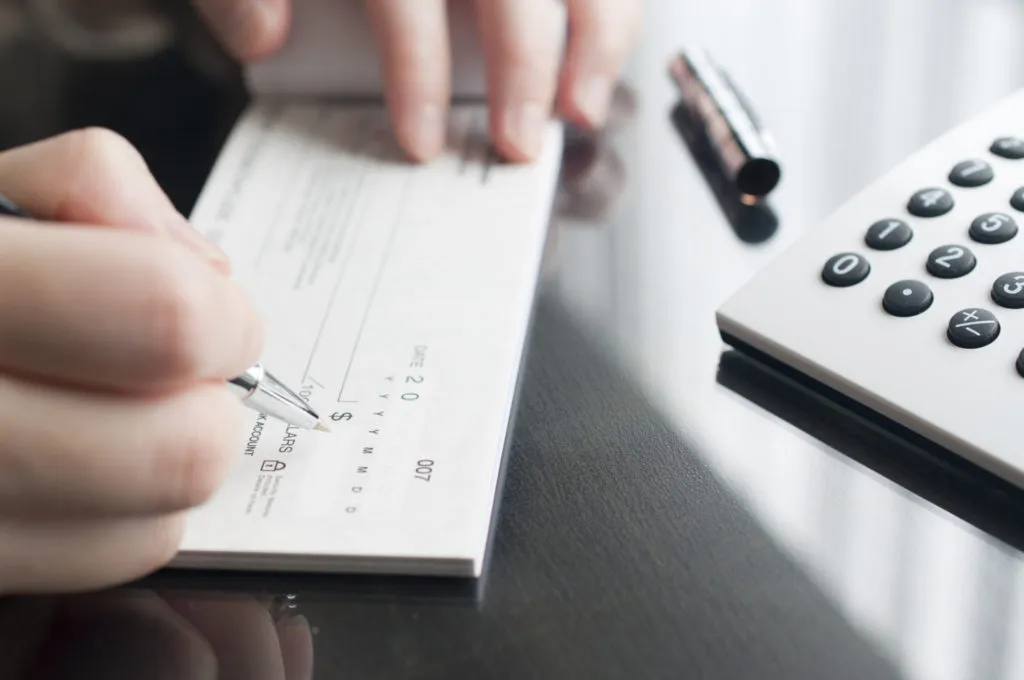
If your tenant pays in cash, a handwritten rent receipt works perfectly. You can buy rent receipt books with pre-printed templates or download printable ones online. Fill in the details, sign the receipt, and give a copy to your tenant.
Digital Receipts
If your tenant pays through an online portal or bank transfer, most payment platforms automatically generate digital rent receipts. These can be emailed, saved, or printed for recordkeeping. Digital receipts are secure, easy to manage, and ideal for landlords with multiple tenants.
Benefits of Keeping Rent Receipts
For Landlords
- Legal Protection: Some states or cities require landlords to issue rent receipts.
- Financial Tracking: Receipts make it easier to monitor income and expenses.
- Professionalism: Issuing receipts creates trust and transparency.
For Tenants
- Proof of Payment: Rent receipts confirm that payments were made on time
- Expense Tracking: Tenants can use them to manage budgets or for reimbursement purposes.
Using a digital rent receipt template or property management software can simplify this process, making rent collection and accounting more efficient.
Why Rent Receipts Should Always Be Used
There are several reasons why rent receipts should be part of every rental process:
- Record Keeping: They provide a clear payment history.
- Dispute Prevention: Receipts can resolve disagreements about payments.
- Legal Requirement: Some areas require landlords to issue receipts for rent, deposits, or late fees.
Even if not required by law, rent receipts help maintain a good relationship between landlords and tenants through transparency and professionalism.
Conclusion
A rent receipt might seem like a small detail, but it’s an essential part of successful property management. It protects both landlords and tenants, ensures proper documentation, and keeps your financial records in order.
Whether you use a printed rent receipt template or a digital tool, always record and sign each transaction. Doing so helps you stay organized, comply with regulations, and maintain trust with your tenants—laying the foundation for a smooth and professional rental experience.
Frequently Asked Questions
Do rent receipts need to be signed?
Yes. A landlord’s signature confirms the payment has been received and makes the receipt legally valid.
Is it necessary to submit rent receipts for taxes?
Yes. Landlords must report rental income yearly, and rent receipts provide accurate proof of each payment.
Is a handwritten rent receipt legal?
Yes. As long as it’s complete and legible, a handwritten receipt is legally valid.
What makes a rent receipt invalid?
A receipt is invalid if it lacks important details like the payment date, amount, or names of both parties, or if it’s unreadable.
Should receipts be issued for all payments?
Yes. Always provide receipts for rent, deposits, partial payments, or late fees. Clear records help avoid future issues.
