

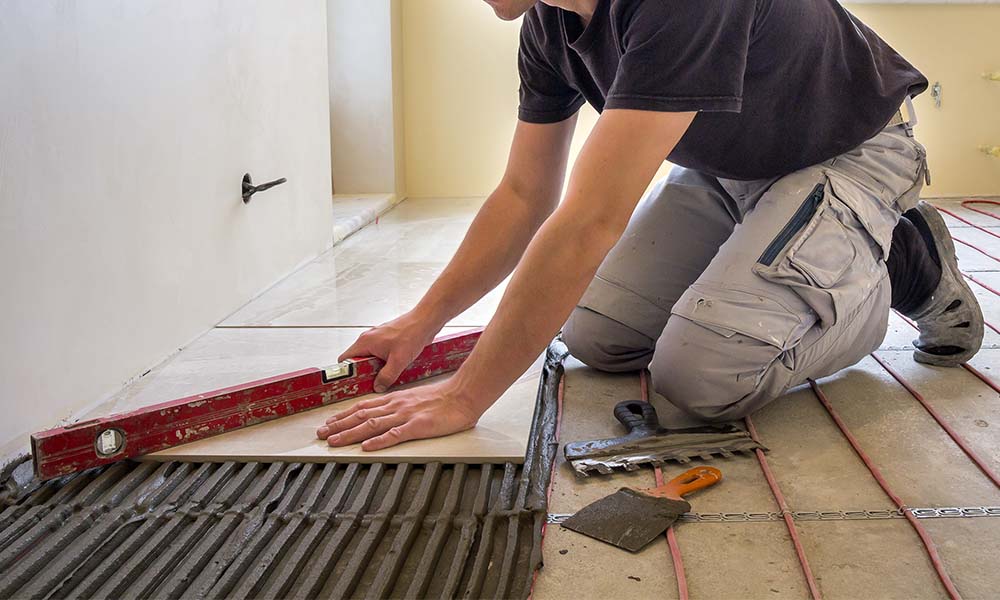
Precision temperature control inside residential spaces depends on accurate design and configuration. Customized heating layouts adapt to specific architectural dimensions and floor compositions. System installation aims to achieve evenly distributed warmth across defined coverage areas. These detailed frameworks make underfloor heating brisbane a dependable option for consistent and quiet indoor comfort delivery.
Structured Installation Enhances Functional Stability
A properly integrated heating structure ensures temperature regulation operates uniformly under load. Each layer functions with defined purpose, from insulation placement to panel connection configuration. System clarity during setup reduces irregular heating zones that could affect usability.
The technical structure also supports subsequent maintenance efficiency. When all heating elements remain accessible, long-term service intervals stay predictable. Proper documentation promotes repeatable performance standards across multiple residential settings.
Planning Design Layouts For Maximum Efficiency
Planning precedes every installation stage to maintain even distribution and load control. The layout determines how heat spreads, balancing conductivity with surface proportion. Formed networks must follow spatial and material parameters for accurate performance outcomes.
- Heat zones spaced for balanced coverage mapping
- Circuit grouping minimizes transitional heat variance
- Insulation placement improves thermal retention speed
- Load calibration ensures steady operational pressure
- Wire routing follows direct, measurable pathways
- Digital mapping records internal layout coordinates
When planning is handled methodically, system reliability extends over practical timeframes. It builds repeat value for residents seeking consistent function within realistic operating costs.
What Role Does System Calibration Play?
System calibration serves as the regulating process that defines stability once installation finalizes. It verifies each heating circuit’s balance across chosen temperature settings. Electric load distribution and thermal feedback are compared to determine alignment accuracy.
Calibrated readings prevent uneven output while sustaining controller performance integrity. Proper balancing also lengthens component life, preventing strain caused by fluctuating input currents across multiple zones.
Material Compatibility And Structural Integration
Each project’s material composition governs thermal exchange outcomes. Tailored assembly ensures that every structural surface performs uniformly under heat conduction. This approach simplifies replacement, enhances safety, and preserves surface longevity throughout cycles of operation.
- Floor composition tested for heat transfer durability
- Substrate adherence confirmed through pre-installation testing
- Circuit insulation retains temperature under pressure variance
- Regulated wattage prevents excessive heat retention
- Connection coupling maintains constant current flow
- Diagnostic ports enable efficient monitoring adjustment
Compatibility between materials and heating units improves service continuity. Precision workmanship maintains operational depth across residential architecture variations without compromising design quality or thermal delivery accuracy.
How Are Custom Installations Managed Effectively?
Custom installations are managed using adjustable schematics and real-time diagnostic feedback. Each progression step is monitored to maintain schedule accuracy across different underlay conditions. Coordination between electricians and design technicians ensures full conformity.
Project data is catalogued for traceable reference once installation completes. The recorded metrics establish an evidence-based baseline for future expansion, review, or replacement. The function becomes measurable, predictable, and directly maintainable within expected lifespan periods of high-quality systems like underfloor heating brisbane.
Measured Heat Output Supports Long-Term Value
Consistent performance standards guarantee enduring comfort levels inside premium residences. Once calibrated, each zone sustains steady warmth throughout multiple seasonal cycles. Thermal sensors moderate usage, translating to measurable cost efficiency.
Overall, a balanced configuration promotes reliable heating that complements modern home utility frameworks. Structured design principles help maintain consistent system integrity, ensuring warmth distribution functions effectively while keeping residential comfort continuous and predictable.
