

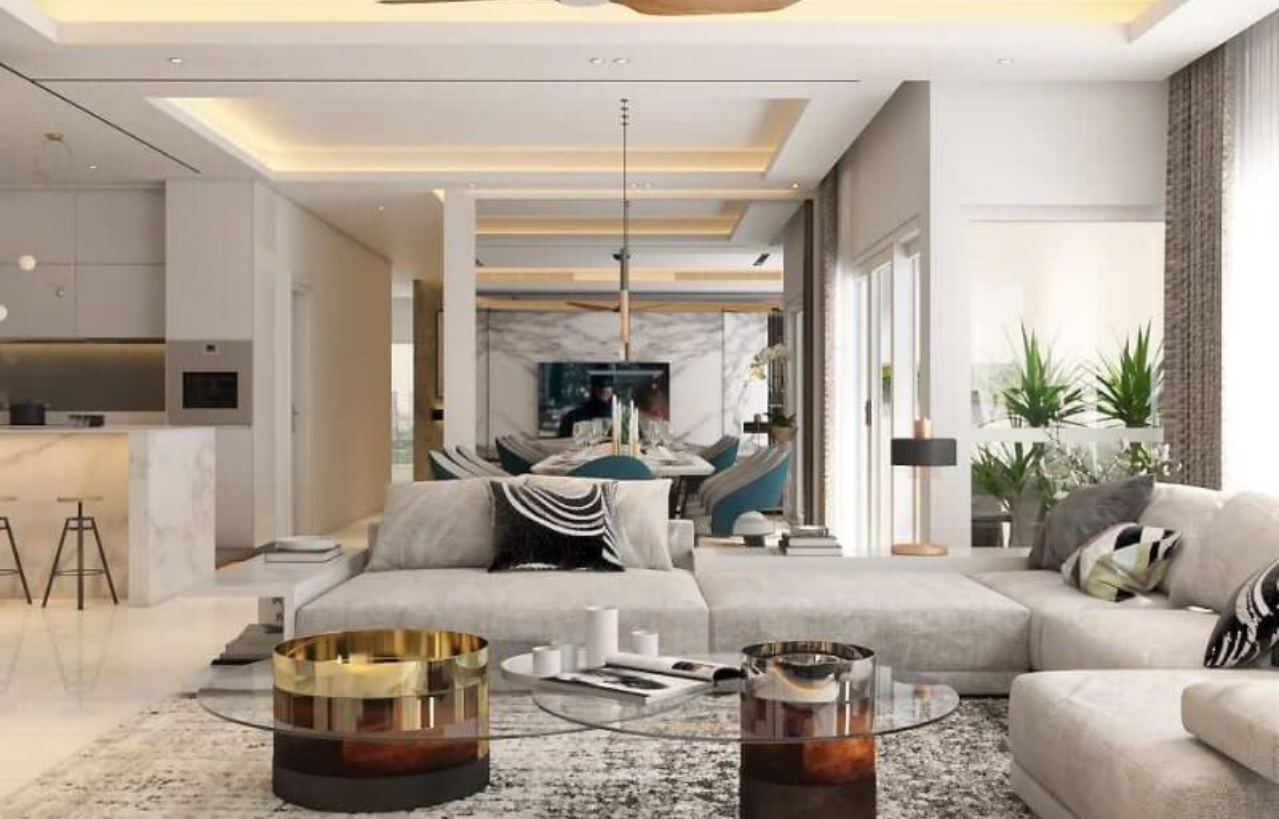
For a long time, commercial interiors were built around one main idea: perfection. Everything had to look polished, symmetrical, and almost untouched. Offices looked like showrooms, retail spaces looked like curated galleries, and cafés often felt more like styled sets than places you’d naturally relax in.
But in Kuala Lumpur, that mindset is shifting.
Modern interior design for commercial spaces is gradually moving away from overly “perfect” concepts and embracing something more human, flexible, and experience-focused. The goal is no longer just to impress visually, but to create spaces that actually work for the people using them.
Here’s what’s driving that change.
1. People care more about how a space feels than how it looks
Perfect commercial spaces often look great in photos, but that doesn’t always translate to real-life comfort.
Today’s users expect more than just aesthetics. They want:
- Comfortable seating and layouts
- Easy movement through the space
- An atmosphere that feels natural, not staged
In a busy urban environment like Kuala Lumpur, where people spend long hours working, shopping, or socialising indoors, comfort has become just as important as appearance.
A space that feels good tends to outperform one that simply looks flawless.
2. Overly polished designs can feel cold and impersonal
There’s a fine line between “clean and professional” and “too perfect to feel real.”
Highly polished commercial interiors often:
- Lack texture and warmth
- Feel overly controlled
- Create a sense of distance
While they may look impressive, they don’t always encourage people to stay, relax, or engage.
That’s why many modern spaces in Kuala Lumpur are shifting toward warmer materials, softer lighting, and more relaxed styling. These subtle imperfections make the space feel more approachable and human.
3. Function is overtaking pure aesthetics
Design used to lean heavily toward visual impact. But businesses have realised something important: if a space doesn’t function well, it doesn’t matter how good it looks.
Old approach:
- Prioritise symmetry and visual harmony
- Choose furniture based on appearance
- Focus on first impressions
New approach:
- Design around movement and usability
- Choose furniture for comfort and durability
- Focus on how people actually use the space daily
This shift naturally moves design away from rigid perfection and toward practical, lived-in layouts.
4. Commercial spaces need to be more flexible than ever
Modern commercial space designs in Kuala Lumpur are rarely used in just one fixed way anymore.
Offices host hybrid teams. Retail spaces double as event venues. Cafés become workspaces during the day and social spots at night.
This means spaces need to adapt quickly.
Instead of fixed, “perfect” layouts, designers now prefer:
- Modular furniture
- Multi-purpose zones
- Reconfigurable layouts
Flexibility often comes at the cost of visual perfection, but it significantly improves real-world usability.
5. Imperfection makes spaces feel more authentic
Highly perfect commercial spaces can sometimes feel staged, almost like they’re more for display than for people.
That’s where imperfection plays a surprising role.
Small, intentional imperfections:
- Add personality
- Make spaces feel more relatable
- Help brands appear more genuine
In a competitive market like Kuala Lumpur, authenticity can be a major advantage. Customers are more likely to trust and connect with spaces that feel real rather than overly manufactured.
6. Maintenance is a practical concern, not just a design detail
Perfect-looking spaces often require constant upkeep. Every surface needs to stay spotless, every detail needs to remain aligned, and even minor wear can disrupt the overall look.
In reality, that’s not sustainable for most businesses.
That’s why many commercial interiors are now designed with:
- Durable, low-maintenance materials
- Finishes that age well over time
- Layouts that don’t rely on constant “resetting”
A space that still looks good even with daily use is often more valuable than one that only looks perfect when untouched.
7. Social media has changed what “good design” means
For years, commercial design was heavily influenced by Instagram-worthy aesthetics. Everything had to be visually striking and highly curated.
But that influence has started to shift.
People now notice that:
- Many “perfect” spaces look similar
- Real-life experience doesn’t always match the photos
- Over-styled environments can feel repetitive
As a result, businesses in Kuala Lumpur are moving toward designs that feel distinctive, lived-in, and grounded, even if they aren’t perfectly styled for every angle.
8. Human behaviour is shaping design more than trends
Modern interior design is becoming more behaviour-driven than trend-driven.
Instead of asking “What looks good?”, designers are asking:
- How do people move through this space?
- Where do they naturally gather or pause?
- What makes them feel comfortable or stressed?
When design is built around real human behaviour, perfection becomes less important than usability.
And that shift naturally leads to more relaxed, functional spaces.
9. Brands want spaces that can evolve over time
A “perfect” commercial space often feels fixed, like it’s designed for a single moment in time.
But businesses don’t stay static.
In a fast-moving city like Kuala Lumpur, brands evolve constantly. Their spaces need to evolve with them.
That’s why modern design prioritises:
- Adaptable layouts
- Modular design elements
- Flexible branding integration
These spaces may not always look perfectly curated, but they stay relevant much longer.
Final thoughts
Modern interior design in Kuala Lumpur is moving away from “perfect” commercial spaces because perfection often prioritises appearance over experience.
What’s replacing it is a more grounded approach: spaces that are functional, flexible, and human-centred.
They might not always look flawless in every photo, but they perform better in real life, and that’s what ultimately matters.
In today’s commercial landscape, a space doesn’t need to be perfect to be successful. It just needs to work.
